“Opportunity seldom knocks twice,” as the age-old proverb reminds us. For Lyndsey Collins-Praino, Ph.D. ’06 that unlikely opportunity came during the first day of her freshman year at Scranton. She didn’t hesitate to answer.
During a General Biology class, Robert Waldeck, Ph.D., associate professor and director of the Neuroscience Program, asked the students if they might be interested in working alongside him in a lab where he was studying spinal cord injury and other behaviors in goldfish.
“This was really meaningful because not many professors would make that offer to freshmen who are just starting out,” said Dr. Collins-Praino. “And I said, well, okay … why not?”
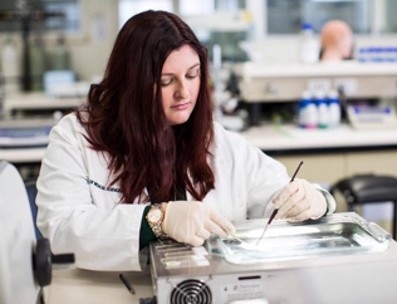
As she walked into the lab for the first day, Dr. Collins-Praino said she “fell head over heels in love with research.”
“I loved the challenge, I loved the puzzle, I loved the data collection, I loved the excitement you get when you're about to analyze your data and discover something new for the first time.”
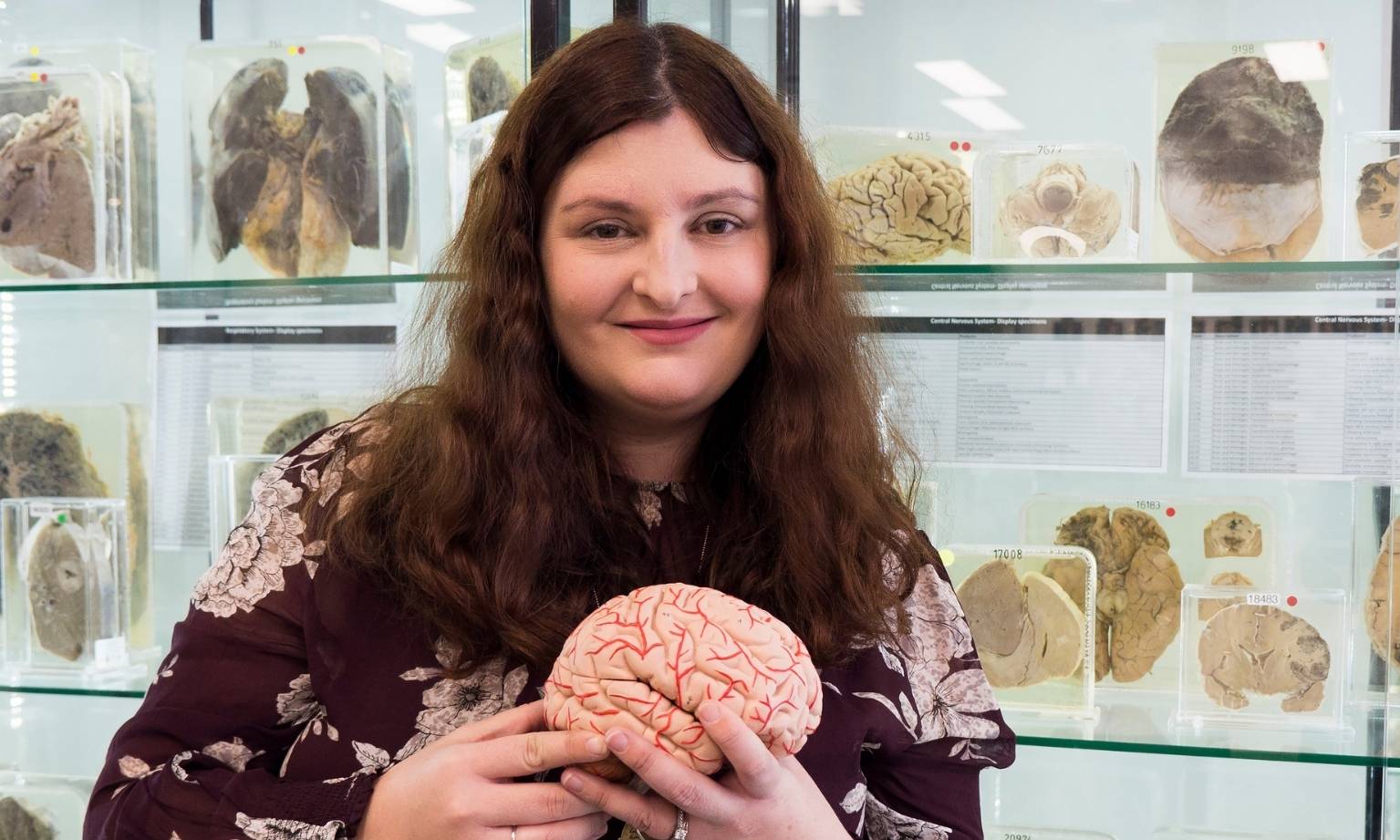
This simple yet profound decision changed the trajectory of her academic studies and career from being pre-med with a strong interest in neurology to neuroscience and biomedical research (with a brief detour in clinical neuropsychology studies along the way). Today, Dr. Collins-Praino holds several prestigious positions in the School of Pharmacy and Biomedical Science at Adelaide University in Australia. She is head of the Cognition Ageing and Neurodegenerative Disease Laboratory (CANDL), which she founded, the lead for International Engagement and an associate professor.
From across the globe, Dr. Collins-Praino is researching the brain mechanisms underlying cognitive decline in healthy aging and in neurodegenerative diseases such as Parkinson’s and Alzheimer’s, as well as cognitive decline in other conditions, such as traumatic brain injury, spinal cord injury and children with a prior history of cancer.
“What all of these very different diseases have in common is that cognitive decline can be a major contributor to reducing quality of life for these individuals,” she said. “No matter how far we’ve come in medicine, when it comes to brain disorders, there’s so much that we still don't understand, and there are so many gaps in the treatments available. And so, I really want to be one piece of the puzzle in helping to try to address some of those challenges.”
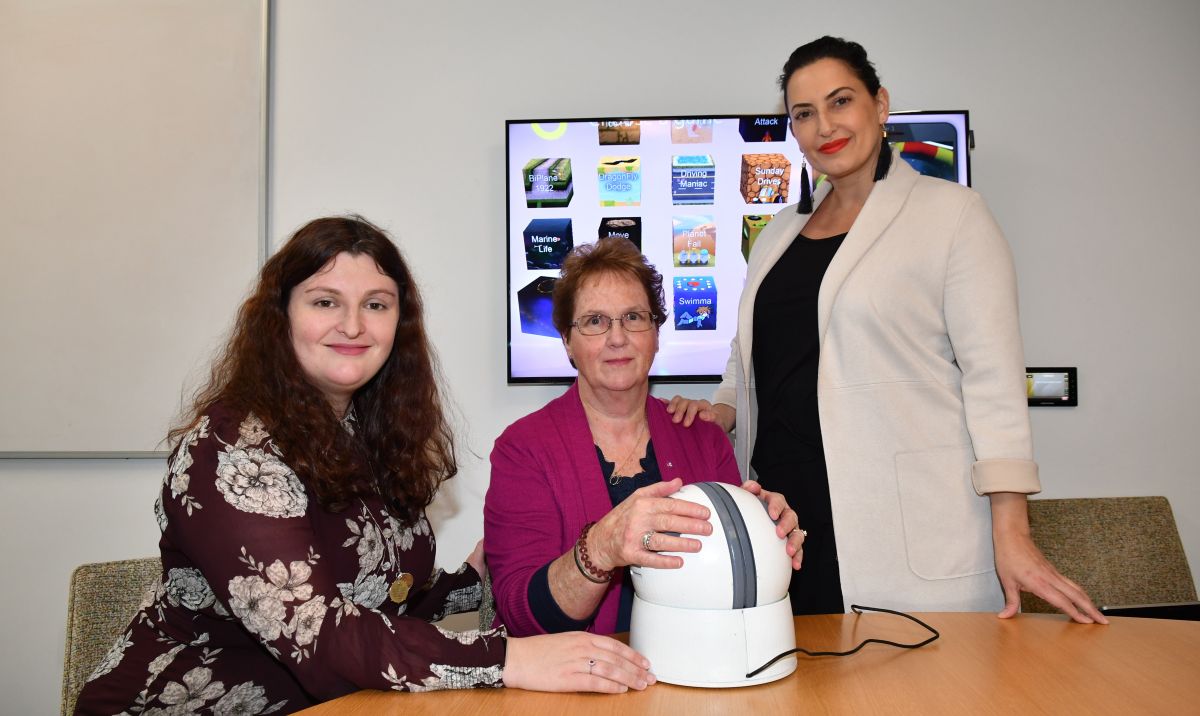
How Video Games Target Cognitive Decline
Dr. Collins-Praino leads teams of over a dozen researchers and support staff members to explore new treatments for cognitive decline. In their preclinical work, the researchers have been investigating the brain mechanisms that drive cognitive outcomes in neurological disease and trialing new therapies to see whether they can protect against death of neurons or improve cognitive function. In their clinical research, they have been probing new biomarkers that may predict risk of neurodegenerative diseases, like Parkinson’s disease and dementia, for earlier diagnosis and treatment.
She and her teams are also looking at non-pharmacological approaches to cognitive decline.
“Working with a collaborator at Flinders University in South Australia, Dr. David Hobbs, we developed a new cognitive training system, called the NeuroOrb, that uses video games that specifically target the type of cognitive decline that we see in these diseases,” she said. “We’ve been testing whether or not engaging with NeuroOrb improves cognitive function across several neurological conditions, and we have some really interesting results from our Parkinson’s trial that we’re about to share.”
There is a deeply humanistic approach to Dr. Collins-Praino’s research — something that connects profoundly to her Jesuit education.
“I work closely with the people who are experiencing these disorders. They not only take part in our research, but they actively help shape it,” she said.
After participating in one of her group’s studies, a patient shared that he felt like this wasn’t just happening to him, but that he was actively fighting back against his disorder as part of the research team.
“I always try to think about what Dr. Waldeck and other ... Faculty members, such as Dr. Timothy J. Cannon and Dr. Thomas Hogan, did for me when thinking about how I can help mentor that next generation.” — Lyndsey Collins-Praino, Ph.D. ’06
A Royal Legacy of Mentorship
Dr. Collins-Praino is also a nationally award-winning neuroscience educator and mentor focused on training the next generation of excellence in brain science.
“I always try to think about what Dr. Waldeck and other ... faculty members, such as Dr. Timothy J. Cannon and Dr. Thomas Hogan, did for me when thinking about how I can help mentor that next generation,” she said. “I cannot overstate enough how important their mentorship was in shaping my career and helping me get where I am today.”
Her work has been featured widely in the media. She has been the recipient of prestigious research honors, including a South Australian Young Tall Poppy Award, which recognizes outstanding young scientists. Her dedication to teaching has been celebrated through many awards, yet her most meaningful recognition came in the form of a handwritten letter. After attending the research experience day for Parkinson’s patients, a woman wrote to Dr. Collins-Praino to express her hopefulness and gratitude for belonging to a community defined by care.
Meet "The Brainy Bunch"
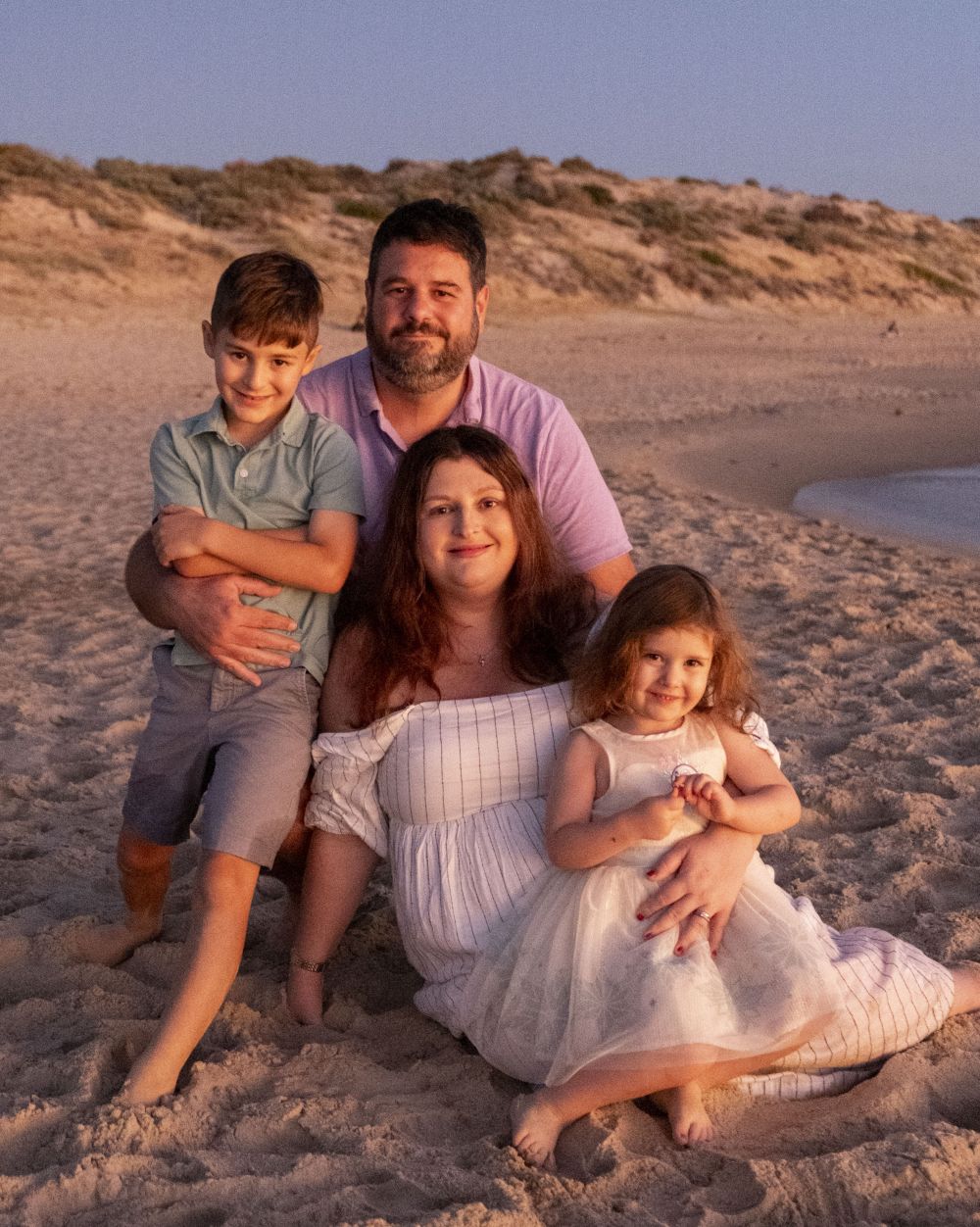 Outside the lab, Dr. Collins-Praino shows the same level of dedication. “I spend a lot of time with my family. One of the things my husband and I have really tried to inspire in our children is a love of adventure,” she said. The family travels extensively, experiencing new cultures, cuisines and languages. At home in Australia, they enjoy the beaches and beauty of nearby wine regions. And, of course, there are brain games. Even their young children come along for Trivia Night, where their team’s name is, fittingly, The Brainy Bunch. Photo credit: Kate Hindsmith