![Julie Schumacher Cohen [VIDEO]](images/scranton-stories-julie-schumacher-cohen-the-scranton-journal.jpg)
Through scholarly programs at The University of Scranton and story-sharing efforts across the city, members of the community reflected on local and national identity, and our role as citizens in a democracy. The “Scranton’s Story, Our Nation’s Story” project sought to use these conversations and reflections to fulfill our national ideals of freedom, justice and equality.
The two-year project funded by the National Endowment for the Humanities aligned with its theme “A More Perfect Union” in the run-up to the 250th anniversary of the U.S. in 2026.
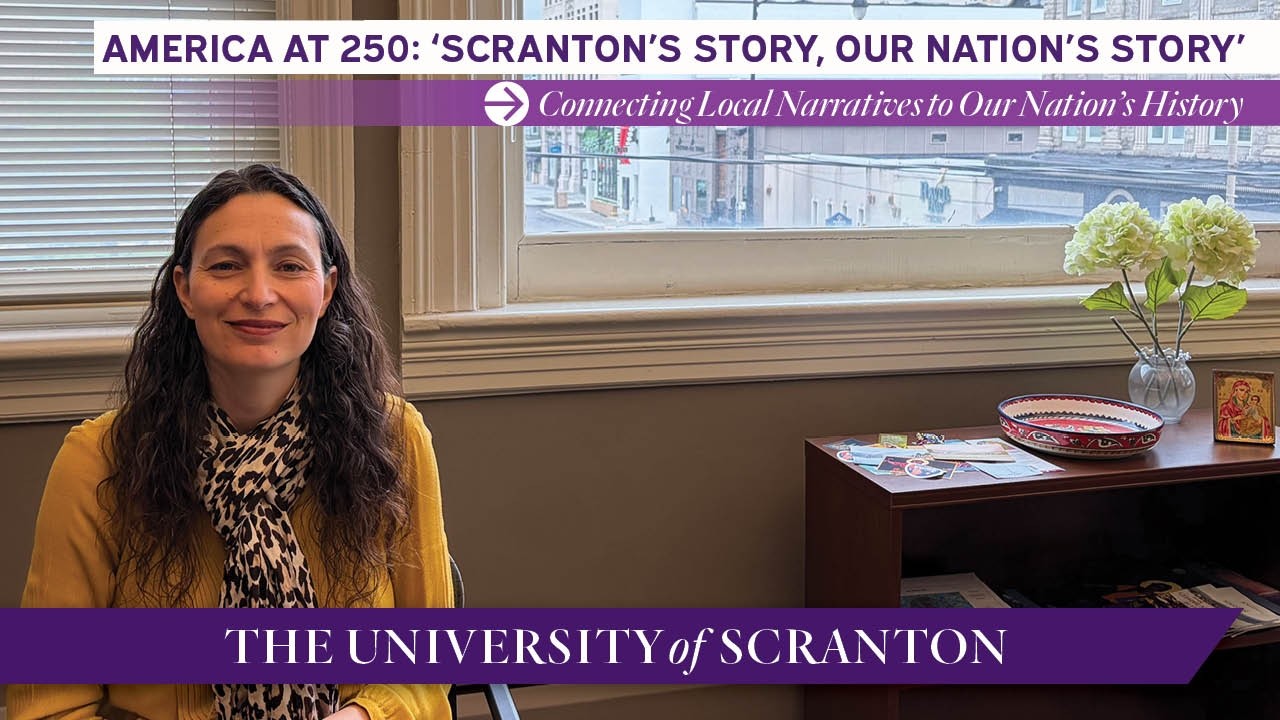
Julie Schumacher Cohen, assistant vice president of community engagement and government affairs at The University of Scranton and "Scranton Stories, Our Nation's Stories" project director said the project has seeded new initiatives, including the new Lenape Mural in Downtown Scranton.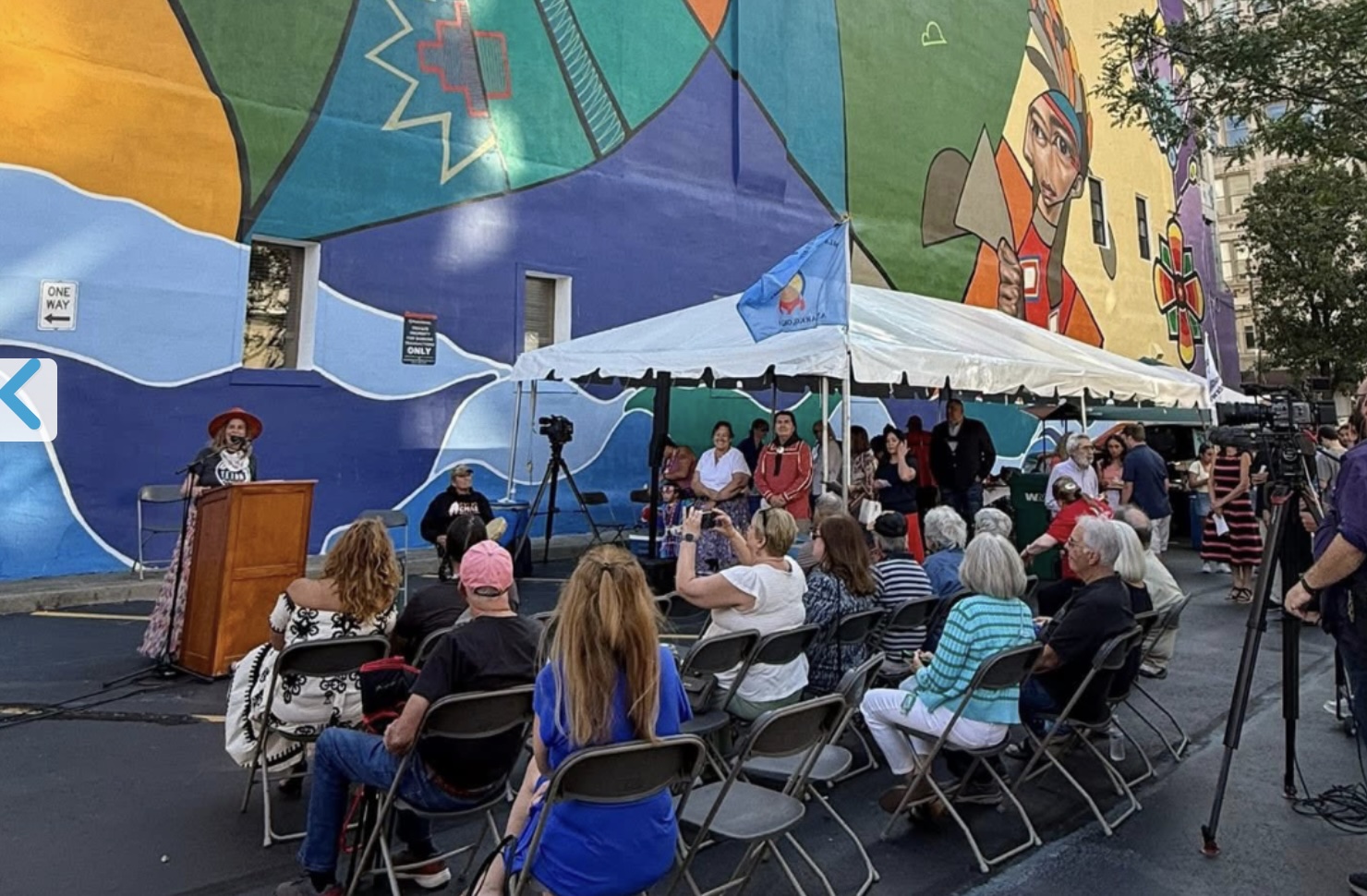
The mural grew, in part, out of the University’s "Scranton’s Story, Our Nation’s Story" initiative which brought attention to the Indigenous history and heritage of the city amid other under-told local stories. The Lenape are among the original inhabitants of the City of Scranton and Lackawanna County and the modern-day descendants of the Indigenous people of Lenapehoking, which comprises eastern Pennsylvania, New Jersey and parts of New York and Delaware.
The mural, located at 130 N. Washington Ave. in downtown Scranton, was designed and created by Lenape artist Ben Scott Miller, an enrolled member of the Delaware Tribe of Indians, together with renowned Spanish artist Miguel Angel Belinchón, known professionally as BELIN. The artists spearheaded the mural project "𝗥𝗲𝗺𝗲𝗺𝗯𝗿𝗮𝗻𝗰𝗲 𝗮𝗻𝗱 𝗖𝗼𝗻𝘁𝗶𝗻𝘂𝗮𝗻𝗰𝗲: 𝗧𝗵𝗲 𝗟𝗲𝗻𝗮𝗽𝗲 𝗦𝘁𝗼𝗿𝘆 𝗶𝗻 𝗦𝗰𝗿𝗮𝗻𝘁𝗼𝗻" and partner with the Lackawanna County Arts and Culture Department, Scranton Tomorrow and the University.
For more background on Lenape history, watch the 2022 keynote lecture of Curtis Zunigha, ”Forced Removal of the Lenape People: History and Homecoming.”
For more background on the mural, including the story it shares and the symbolism it includes,visit the Scranton Tomorrow website.
Watch a brief video narrated by Curtis Zunigha providing an overview of the mural’s story on the Lackawanna County Visitors Bureau website.
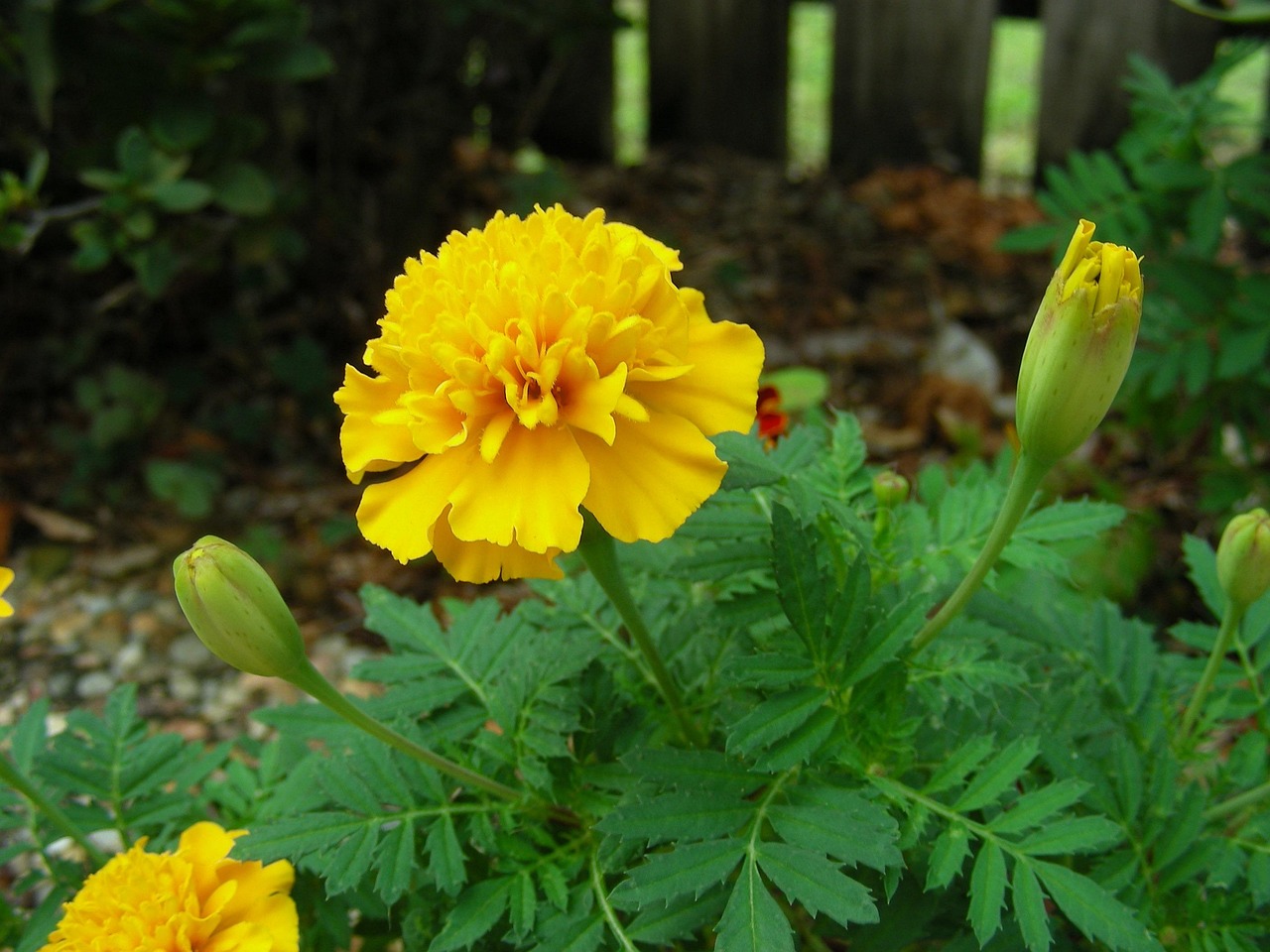
“I noticed that in my Hill Section neighborhood there were a lot more marigold flowers. ... In coming to know many of our refugee neighbors, I came to find out that our Bhutanese, refugee neighbors plant marigolds because they're very meaningful in their different ethnic and religious, festivals,” said Julie Schumacher Cohen, assistant vice president of community relations and government for The University of Scranton and the "Scranton Stories, our Nation's Stories," project director.
“How can we bring those to light? Because those are wonderful ways of finding out about people, about finding out about what matters to them, their families, their cultures, their faith practices, what brought them, again, to this area. What are their dreams for the future? And in just seeing a marigold flower, you wouldn't necessarily know that. But all of a sudden, I realized that this tells us a lot about these neighbors who have come to call Scranton home and who have enriched this community by calling it home.”