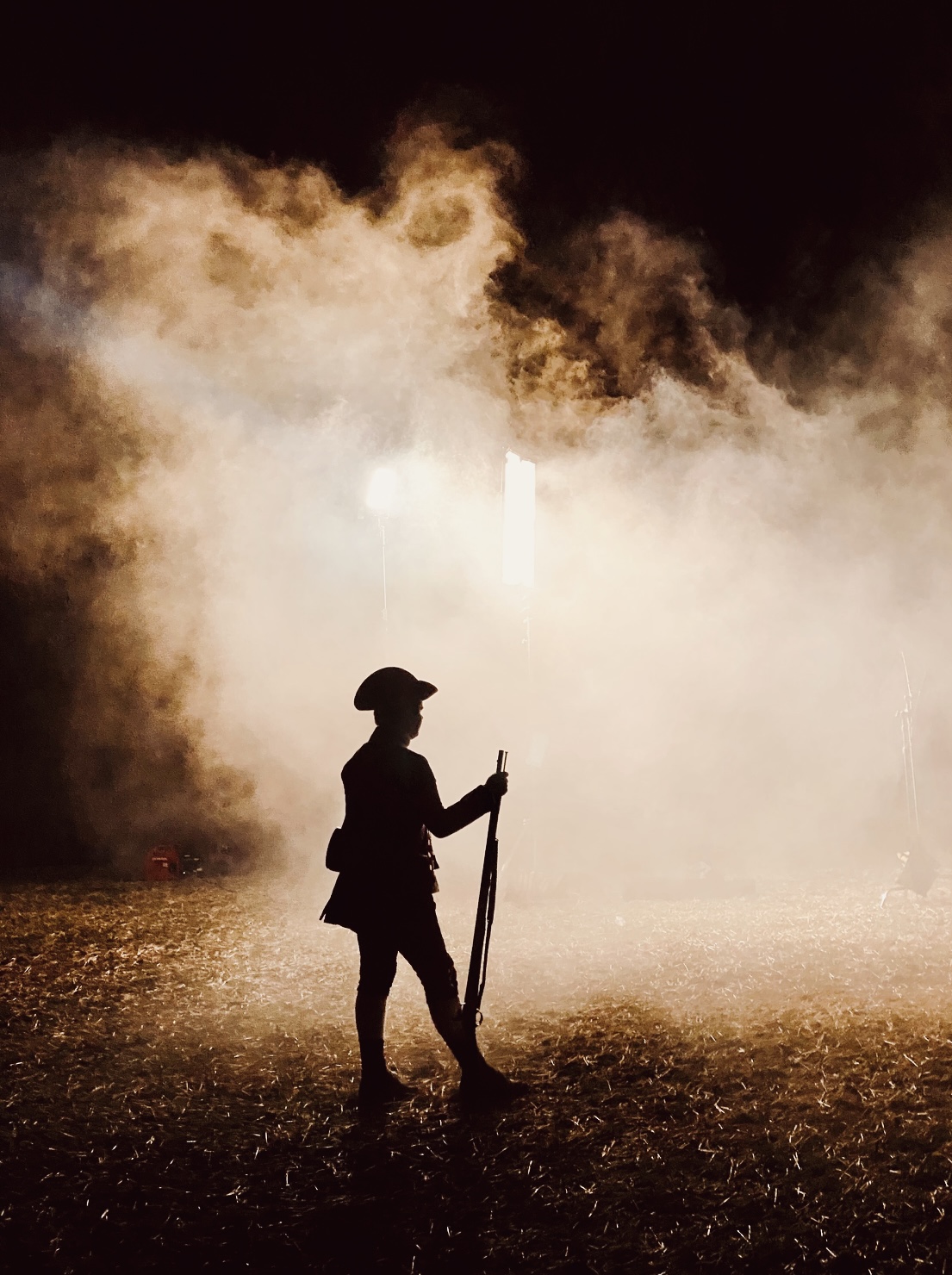
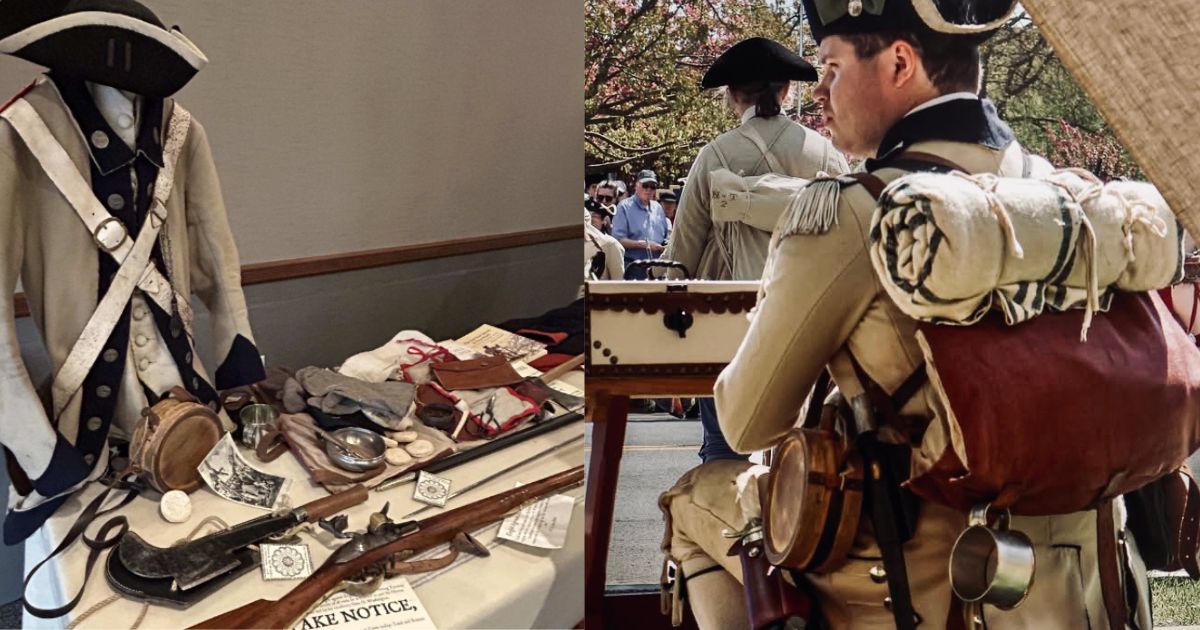
At a recent University of Scranton Schemel Forum entitled “Commemorating and Interpreting the American Revolution 250 Years Later,” Archbald native James McKane '20 offered insight from his experience as a living historian and shared examples of the hundreds of period-accurate military uniforms he recreates by hand.
1. SEMI-QUIN, WHERE IT ALL BEGINS
“It is America's 250th birthday, the semi-quincentennial or semi-quin. In July of 1776, the Declaration of Independence was signed marking independence for the United States. However, there are eight years of the Revolutionary War that we have to commemorate not only as a society, but as living historians. In doing so, we're showing proper justice to those who actually went through those eight years of war. It went from 1775 to 1783,” McKane said.
2. ‘WHEN YOU LOOK AT US, THINK OF THEM.’
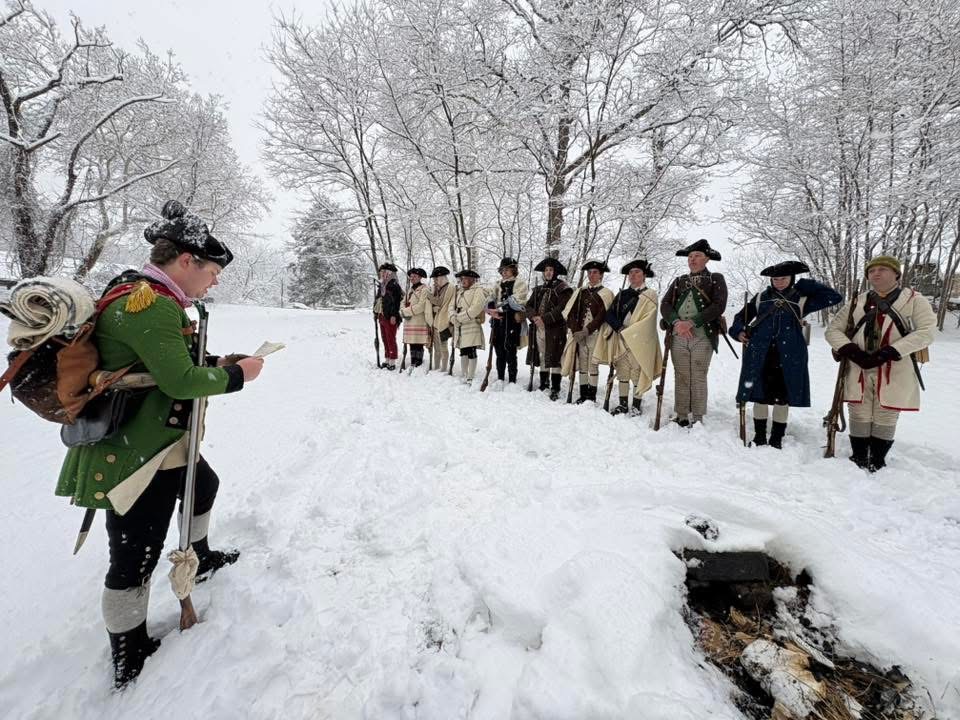
The 3rd New Jersey Regiment, the Jersey Grays, is a nonprofit educational organization dedicated to telling the stories of the men and women of the American Revolution for the betterment of public history.
“Two hundred and fifty years ago, the men and women of the Revolutionary generation ...recognized that liberty and justice for all required sacrifice, discipline, shared truths, and patience. As reenactors, we reproduce their uniforms, memorize their drills and place ourselves literally in their footsteps, but what we truly seek to replicate is understanding. We do not reenact to romanticize war or to say our founders did not have flaws, but to humanize, recognize and better appreciate our history for what it is... We like to say, when you look at us, think of them,” James McKane said.
3. HONESDALE, A NEW HUB FOR FORTIFICATION CREATION?
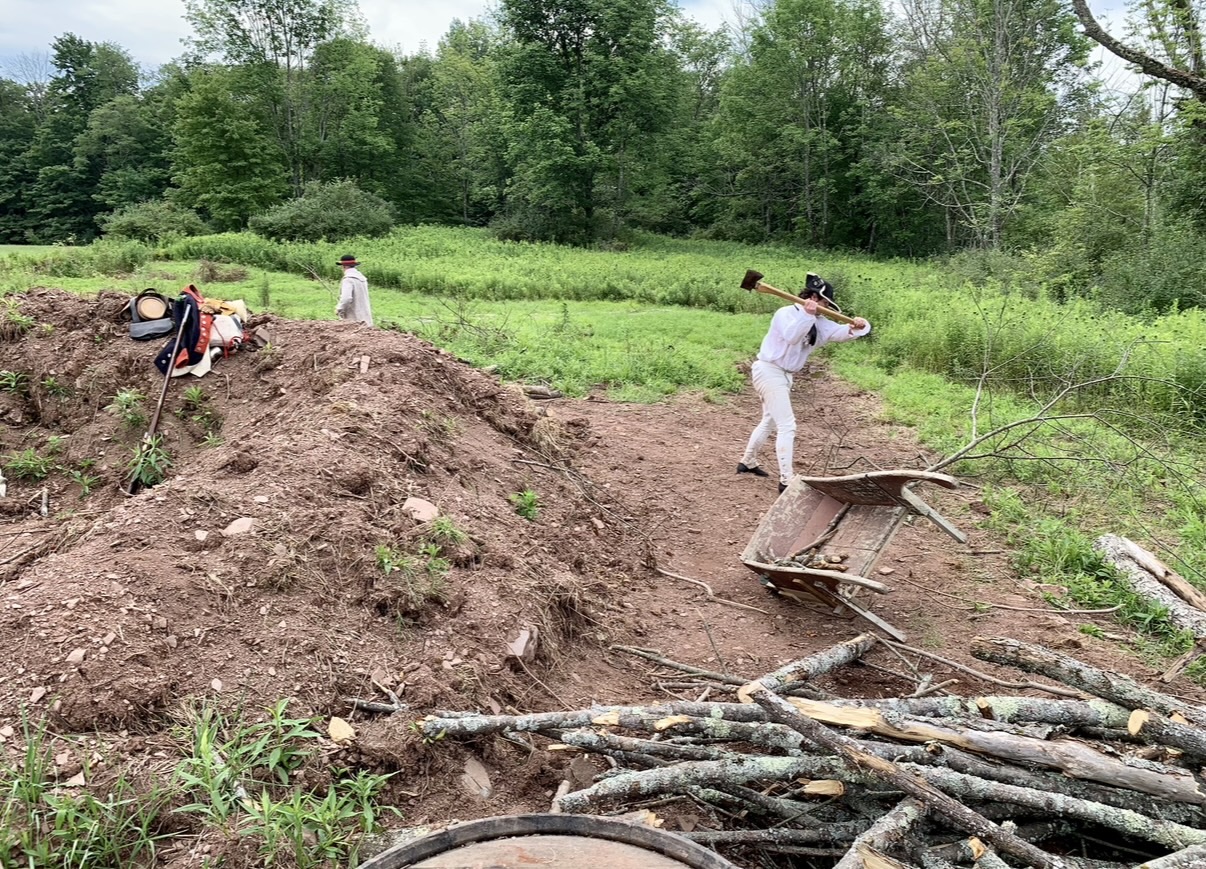
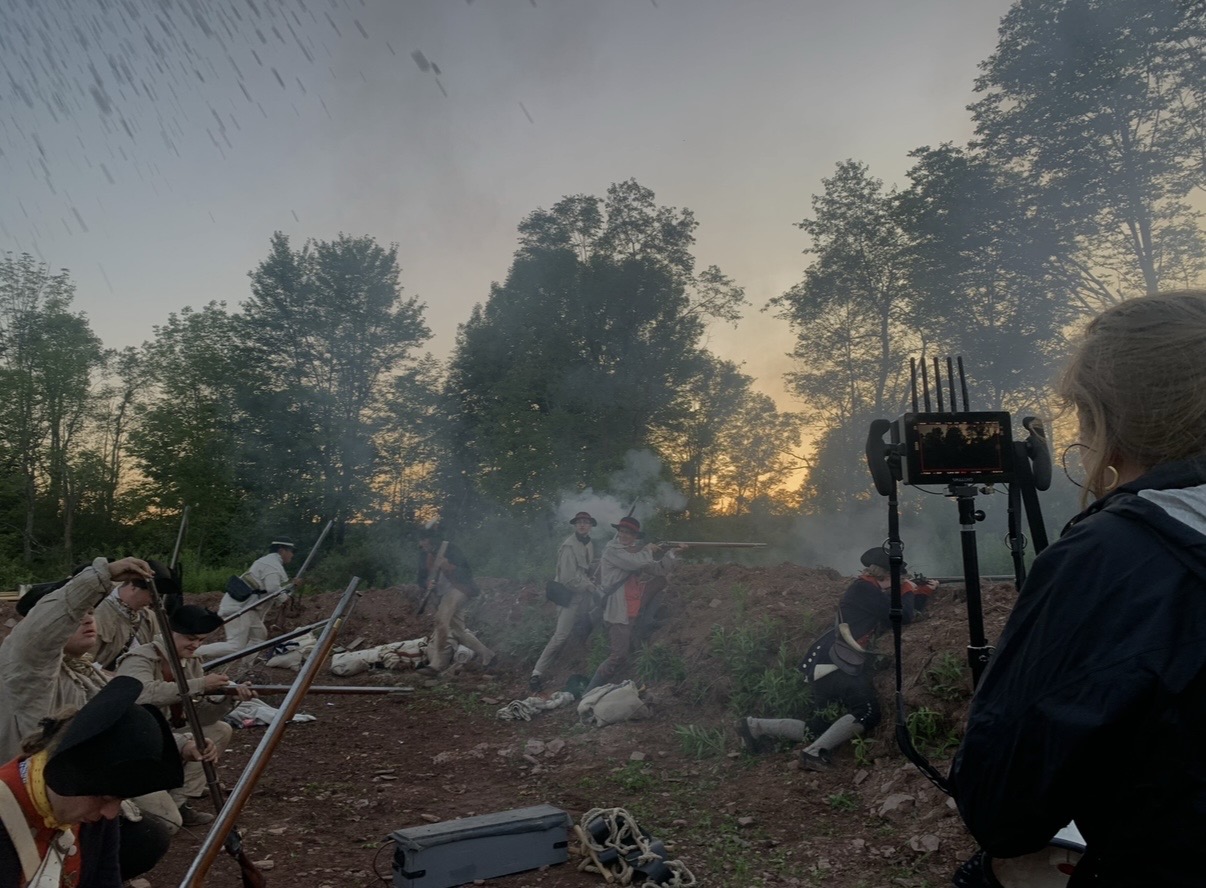
Footage for a 2025 Ken Burns documentary, “The American Revolution,” was filmed in Honesdale on the family property of McKane.
"One day the producers said, ‘We need to cut trees, build fires and have a fort, but we can't do that at Valley Forge. We can't do that at Monmouth Battlefield.’ I said, ‘Let’s go build a fort.’”
“Ultimately, it was decided that my family’s property in Honesdale would be the best place to build an earthen redoubt fortification for documentary purposes. I took on the task joyfully, and we had a weekend of shooting where Jersey Grays dug with pick and shovel, cut trees with axes and two-man saws, and shot cannons, mortars and muskets late into the night — all while clad in authentic reproduction uniforms, most of which I made," McKane said.
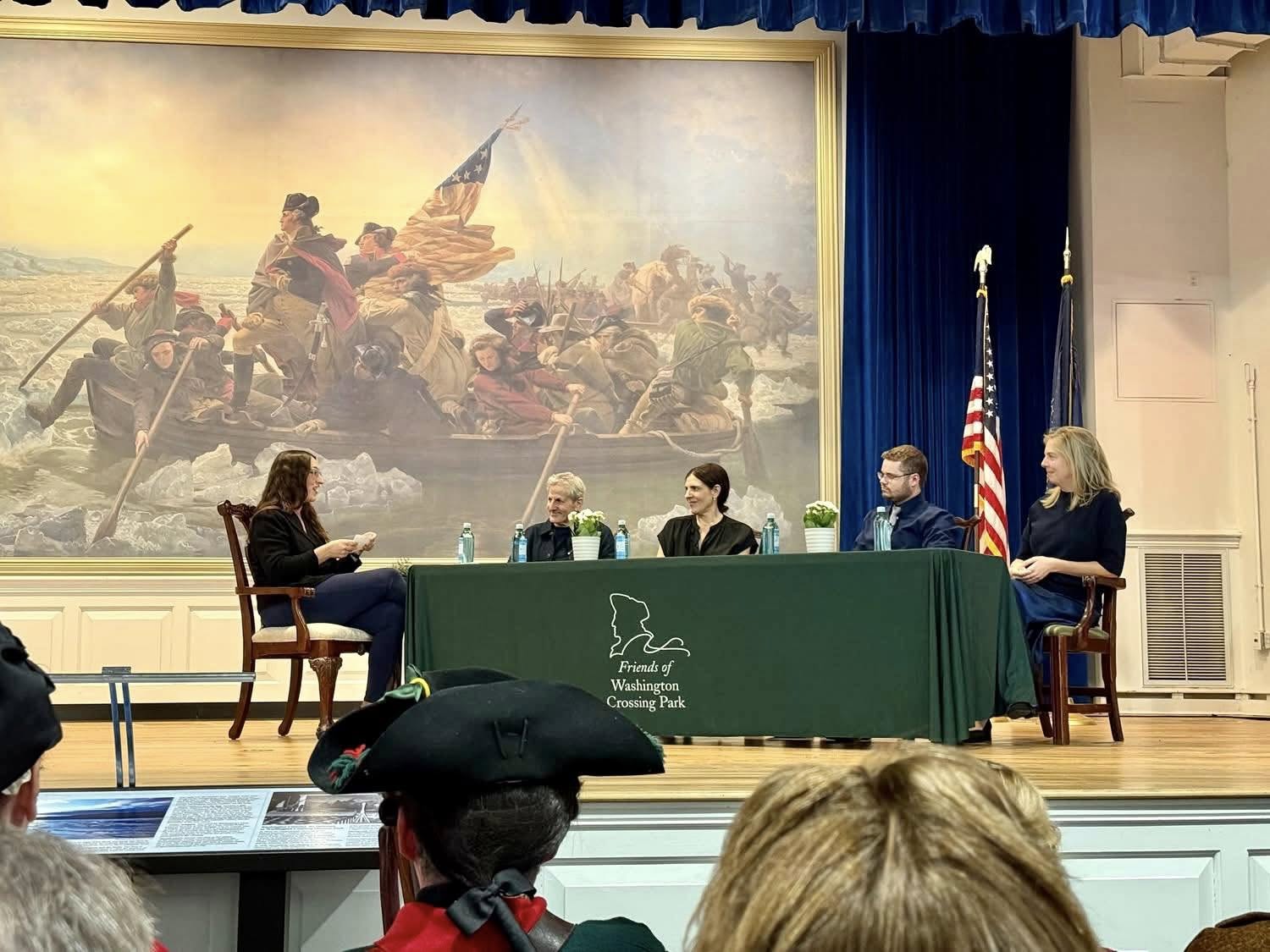
4. PICTURES DON’T LIE. OR DO THEY?
"There's no greater image that comes to mind of (George) Washington than standing in a boat, which he didn't do, with a flag, which they didn't have, crossing the Delaware River in the middle of the night,” McKane said.
5. GEAR HERE, THERE AND EVERYWHERE
“I have lost track of much of the gear I’ve made over the years, sometimes enough that I look at a cartridge box or a pair of trousers and ask the wearer, 'Did you make it?' to which they often respond, 'Umm...no. You did.’ I just smile and nod because I don’t even remember or recognize my own gear at this point,” McKane said.
He shared insight into what it takes to create accurate representations.
“Definitely a lot of patience, research, time and a willingness to constantly learn along the way. It all starts with the general idea or concept of creating something — a coat, cartridge box, sword belt, waistcoat. From there, it's a lot of research looking over paintings, period descriptions, or ads, and if you’re lucky enough, examining a surviving example of what you’re making in person. Developing a pattern takes shape from that process. Appropriate materials must be ordered, whether heavyweight wool, flax linen or vegetable-tanned kipskin (leather).
After cutting out and sewing up the pattern pieces, usually over days, you get a finished product. But this all takes tailoring, hand sewing and getting the details just right to reproduce an existing garment or accoutrement. The time it takes to produce each piece individually varies depending upon the product: six hours for a military coat, days of curing leather for cartridge boxes, and over 10 hours per shoe for a pair of shoes.”
BONUS: ROYALS CAN VIEW THEIR FELLOW ALUM IN ACTION FROM THE COMFORT OF THEIR LIVING ROOMS
“The American Revolution” by Florentine Films is definitely the largest production I have been fortunate enough to play a role in. There have been others, including limited series, visitor center films and local or state productions I have taken part in both behind and in front of the camera," McKane said.
“Some productions I have been involved in that are fairly local are the Valley Forge and Washington’s Crossing Historic Park, Pennsylvania visitor center films; Josh Gates’ "Expedition Unknown" - “Traitors' Treasure of 1776," episode, Shane Gillis’ "Tires" - "Patriots and Traitors" episode, New Jersey PBS’ “Treasures of New Jersey,” New Jersey Tourism “Wow” commercials and welcome center films, and a lot of varied media and short clips in between.”